


 160 / 540

159
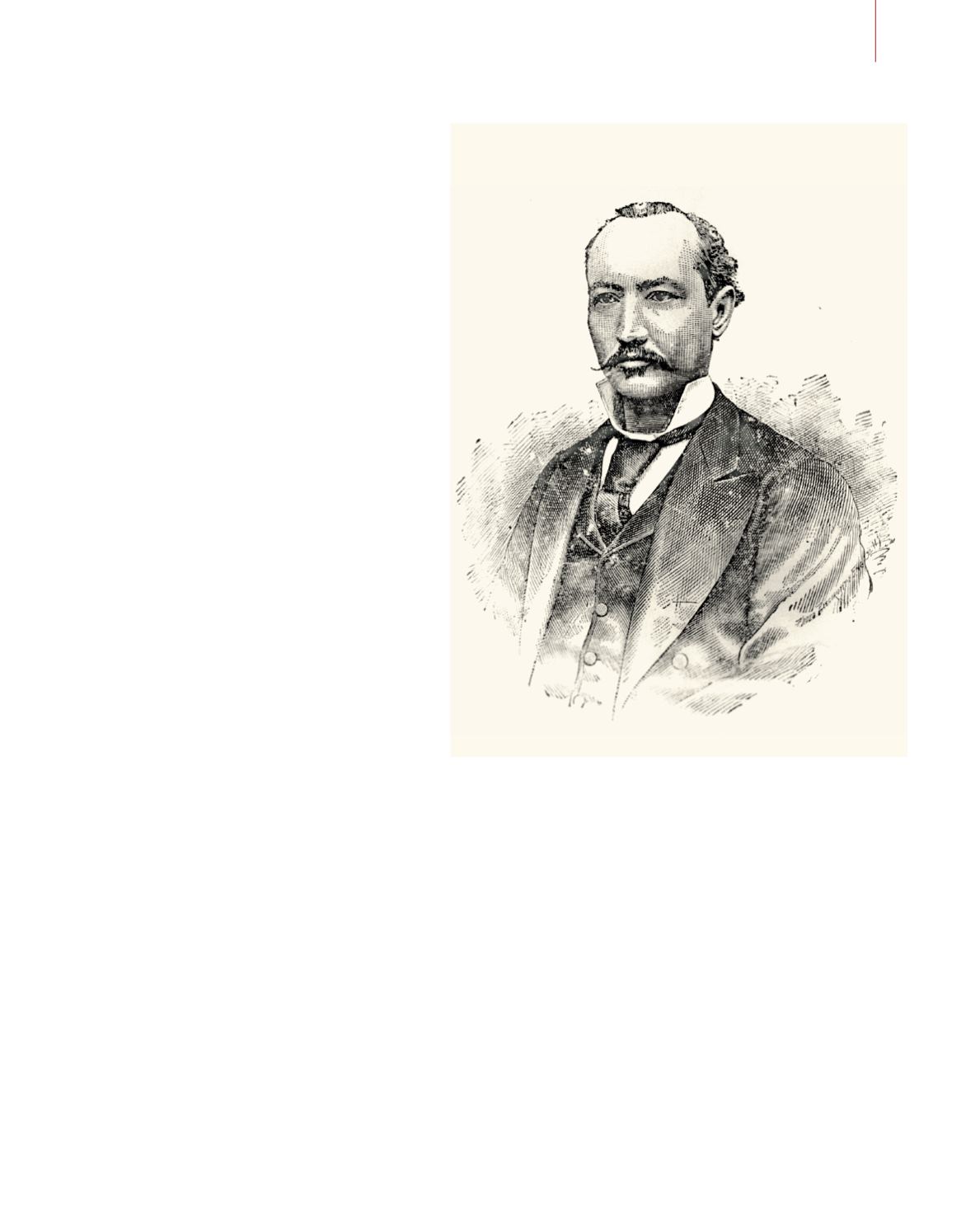
FRANCISCO GREGORIO BILLINI, PRESIDENT AND AUTHOR
vestment in agriculture, under the
assumption that a reduction of tax
revenues would stimulate produc-
tion. The circumstances were so
precarious that this measure was
soon suspended. Billini’s plans to
promote immigration and support
campesino
unity were forcibly re-
duced nearly to ashes. What stood
out in those months, however,
was his attempt at reversing the
state’s lack of impact on economic
growth with the aim of moderniz-
ing the country.
In contrast to these economic
challenges, education was, in fact,
given some attention. His most
notable effort at innovation was
the creation of a mobile corps of
teachers who dispersed themselves
in urban and rural communities to
spread culture and offer access to
elementary education and, most
importantly, literacy. This im-
proved upon the endeavors of pre-
vious administrations, which were
more focused on the foundation
of higher education institutions,
such as the Normal School of Hos-
cos, the Meriño Seminary, and the
fledgling Professional Institute. Bil-
lini’s style of educational action revolved around the people. He saw this as the skeleton key to transforming
the country.
In addition to preventing corruption, another fundamental macropolitical issue was addressed:
strengthening civil liberties. More so than in any other way, Billini’s government distinguished itself by re-
specting the rights of citizens as set forth in the country’s constitution. He continually sought to bridge the gap
between legalese and the reality that had occurred since the founding of the Republic.
He also continued more ambitiously what Luperón had established, financing the publication of peri-
odicals and books with public funds as a means for cultural development and the inclusion of an increasing
portion of the population.
As Billini traversed through his stint in power, he enabled a stream of immigrants to arrive from the Ca-
nary Islands. He proudly announced that the Ministry of Development and Public Works had managed to
establish land rights for the members of that first expedition from the Canaries. After the preparations for a
second contingent had been announced, he implored his successor not to abandon this effort.
If he had not done enough, he explained, it was because of the dire economic situation, the supreme im-
portance of peacekeeping, the failure to resolve disputes with France and Spain, and a concern regarding the
internal state of affairs in Haiti.
Francisco
Gregorio Billini.
© Archivo General
de la Nación