


 110 / 540

here were only three dioceses—suffragan or subordinate
to the Archdiocese of Seville—in the Spanish Antilles at the
beginning of the sixteenth century: Santo Domingo, Conce-
pción de la Vega (both on the island of Hispaniola),
1
and San
Juan on the island of Puerto Rico.
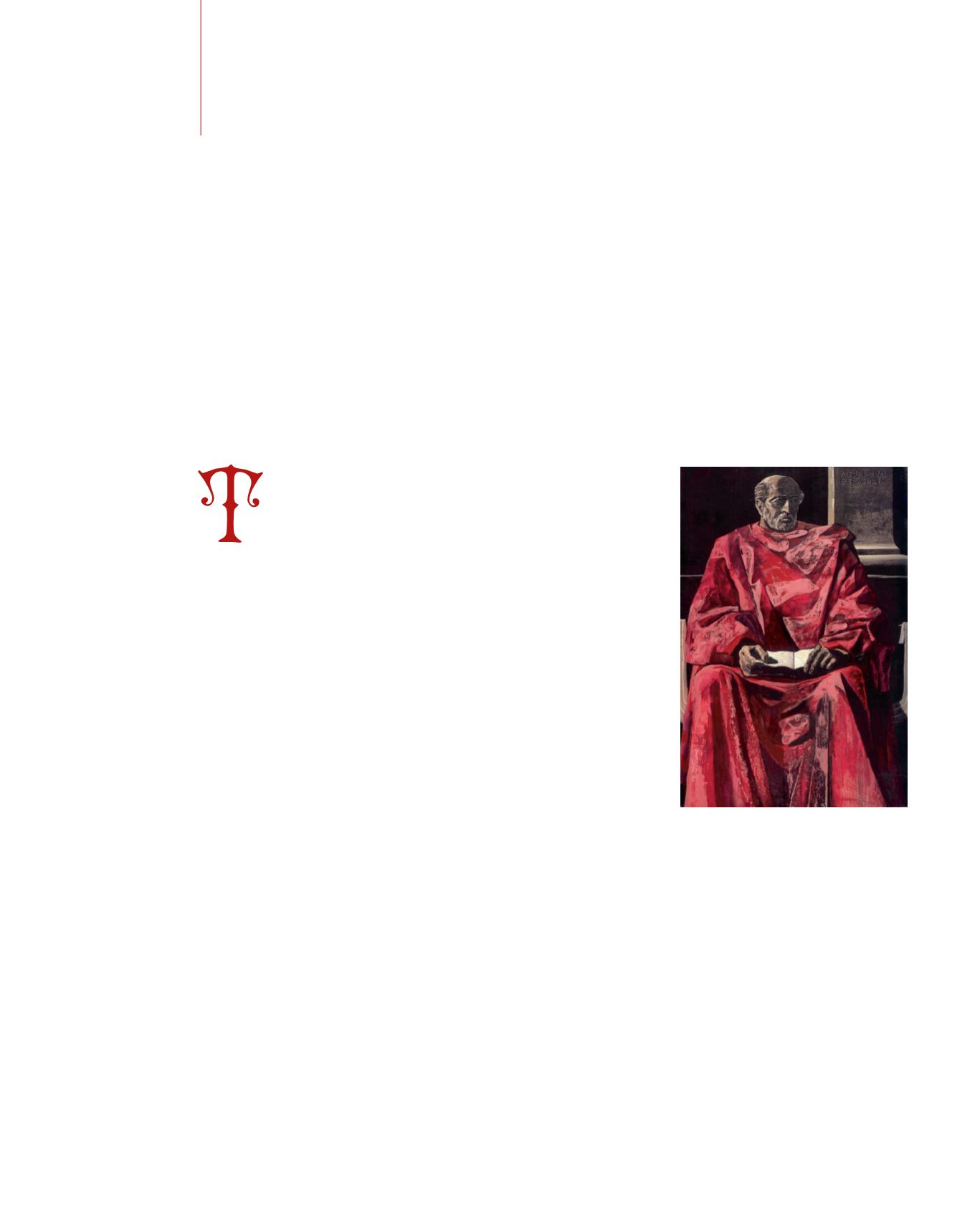
Alessandro Geraldini, an Italian from Amelia in the region of Um-
bria, was the first resident bishop of Santo Domingo, as will be sum-
marized in this chapter. Francisco García de Padilla, O.F.M., formerly
bishop-elect of the short-lived Diocese of Bayuna (1504–1511), had been
appointed but was never ordained.
2
Padilla was bishop (only on paper) of
the capital city from 1511 to 1515, when he died.
However, the papal bull appointing Padilla never took effect. At
the time, King Ferdinand II of Aragon sought to clearly define bishops’
rights to taxes and income that these new dioceses could collect from
the territories.
On August 8, 1511, Pope Julius II issued a new bull,
Romanus Pon-
tifex
, which reassigned the jurisdictions of these dioceses of the Ame-
ricas. On August 13 of that same year, Padilla was appointed to the Diocese of Santo Domingo by way of the
Diocese of Bayuna,
3
which was simultaneously eliminated. The ordination took place on May 2, 1512, and as
previously mentioned, the Franciscan held this post until his death in 1515.
Padilla’s successor, Alessandro Geraldini,
4
who was bishop of Vulturara Appula in the Apulia region of
the Spanish Viceroyalty of Naples, was appointed bishop of Santo Domingo by Pope Leo X on November 23,
1516.
5
At the time, and by order of the pope himself, the bishop was engaged in meetings with rulers from
northern Europe to promote crusades against the Ottomans (ep. 2.4) and was therefore unable to travel.
However, he responded with a letter (ep. 2) dated September 13, 1517, to the commission of the Order of
Saint Jerome—who were eager for the newly elected bishop to begin his assignment—sent to Hispaniola by
Cardinal Cisneros, who was overseeing the work of the royal officials on the island. In that same letter, he
was awaiting the dispatch of two of his vicars, his sister Tullia’s son Onofrio and his servant Diego del Río (ep.
2.8). With another letter from London dated September 13, 1518, exactly one year later (ep. 1), he thanked
the members of the Chapter of the Cathedral of Santo Domingo for having received them, promising that he
would be arriving soon.
CHAPTER 5
Alessandro Geraldini vs Rodrigo
de Figueroa: the Dominican Church,
the Encomenderos, and the Issue
of Indigenous Peoples
By Edoardo D’Angelo
Professor of Medieval Latin Philology at the University of Naples Suor Orsola Benincasa
•