


 67 / 540

THE ITALIAN LEGACY IN THE DOMINICAN REPUBLIC
66
Padre Sebastián Cavalotto (1918–1997), a na-
tive of Montfort d’Alba, Cuneo, Piedmont, arrived
in Santo Domingo as a priest in Santo Domingo in
1958. He began his ministry at the Santa Teresa de
Jesús Church, in the Villas Agrícolas sector of the
capital. In 1968, he moved to La Romana province
where he founded churches, schools, and hospitals.
He was referred to as “The Devil’s Priest” by Rafael
Herrera of
Listín Diario
140
in one of his famous edito-
rials. This epithet highlighted his tremendous pen-
chant for work and his defense of those most in need.
Many streets and charitable organizations in La Ro-
mana bear his name, and he was declared a “Most
Honorable and Distinguished Son” of the city.
Giovanni Archetti Bonardi (1922–2001), a na-
tive of Peschiera, Maraglio, Brescia and son of Stef-
fano Archetti and Teresa Bonardi, arrived in the Do-
minican Republic to help build the armory for the
Dominican Armed Forces in San Cristóbal. He had prior experience at the Fabbrica D’Armi Pietro Beretta
S.p.A. de Brescia. He married Bienvenida Rodríguez in her hometown of San Cristóbal, and later became the
production manager for Dominit S. A.
Nino Ieromazzo Iracci (1906–1977), a native of Naples, Campania and son of Ettore Ieromazzo and
Cleofe Iracci, married Altagracia Soriano Matos. He had arrived in the country on March 29, 1940, from
Havana on the SS Cuba steamer and devoted himself to commerce. His son Héctor still runs the Pochy Ier-
omazzo air conditioning company with numerous branches throughout the Dominican Republic.
Giovanni Abramo (1911–2010), a native of Tortorella, Salerno, Campania, was a clockmaker by profes-
sion. He began working at Joyería Prota jewelry store in 1949. Later on, he owned his La Veneciana work-
shop and jewelry store at Calle El Conde at the corner of Calle José Reyes. He was married to Giuseppina
Bruno. He designed the enormous floral clock at the entrance of the Santo Domingo Botanical Garden, as
well as many of the clocks in church towers and town halls.
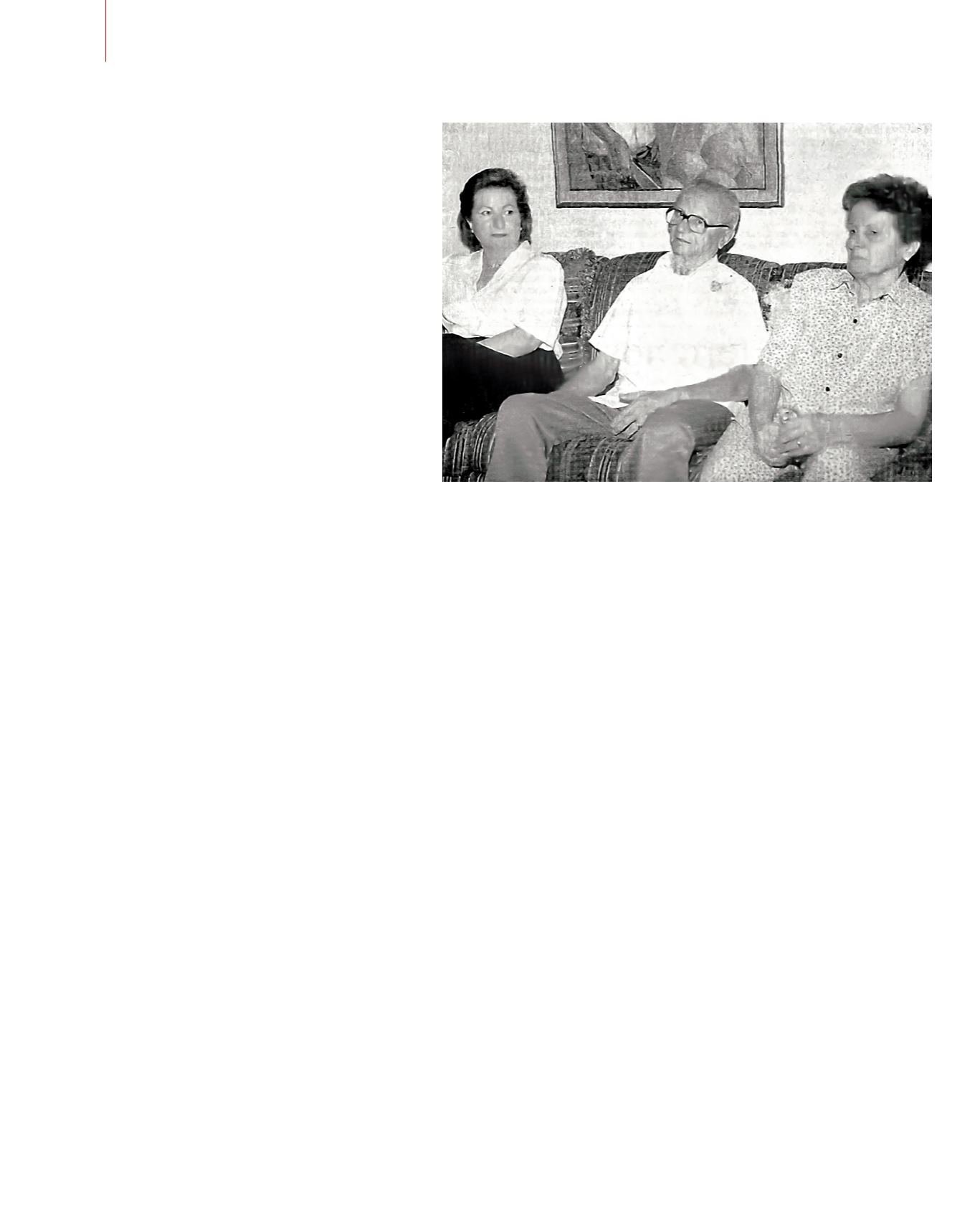
Mario Cavagliano Broglia (1913–2003) a native of Vercelli, Piedmont and son of Giuseppe Cavagliano
and María Broglia, married Dirce Strozzi (1919 – 2008). He was the consul of Italy in Santo Domingo in 1961.
Antonio Imbert Barrera took refuge in his home after taking part in the execution of Dictator Rafael L. Tru-
jillo. This family risked its safety by offering protection to many people who were persecuted due to their
resistance to the regime.
Vincenzo Mastrolilli Bastiani (1928–2014) a native of Naples, Campania and son of Michele Mastrolilli
and Anna Bastiani, was a businessman and the president of Ron Siboney rum distillery. He was president of
Casa de Italia in Santo Domingo for more than 20 years. He married Dominican citizen Ana Luisa Nicolás
Galván in New York on October 18, 1953.
141
He later married another Dominican citizen, María Victoria
Irizarri. “Enzo” was an advocate of literature in the country, creating the award Premios Siboney for poetry,
essays, and literature.
Antonio Cestari Romano (1930 – ?) a native of Montesano, Salerno, Campania and son of Rafael Cestari
and Rosa Romano, married San Pedro de Macorís native Georgina Elsa Carbuccia Pereyra on March 29,
1952, in Santo Domingo.
142
His son Jorge Amauri de Jesús Cestari Carbuccia is an urban planner, architect,
and restorer of historic buildings.
From left to right:
Liliana Cavagliano
Strozzi de Peña,
her parents Mario
Cavagliano Broglia
and Dirce Strozzi de
Cavagliano, officials
of the Italian Embassy
(Photo from
El Siglo
).
© Antonio Guerra